Coughs, colds and the occasional wheeze are common in childhood, and most clear up on their own. But some breathing signs are worth a specialist's look, especially when they keep coming back, get worse, or interfere with play, sleep or school. Below is a plain-language guide to what parents commonly notice.
Asthma & wheezing
Recurrent wheezing, especially with colds or viral infections
Coughing or breathlessness during play, running or exercise
A night-time cough that disturbs sleep
Poor response to regular asthma medicines
Hospital visits for breathing problems in the past
Recurrent infections
Repeated episodes of pneumonia or chest infections
A cough that lasts more than 3-4 weeks
Frequent bronchitis or bronchiolitis episodes
Lingering breathing issues after a COVID-19 infection
Repeated chest infections needing antibiotics
Infant breathing
Noisy or high-pitched breathing (stridor)
Ongoing breathing difficulty in a baby born prematurely
A history of bronchopulmonary dysplasia (BPD)
Fast or effortful breathing at rest
Frequent pauses or gasping during feeding
Allergy-related
Allergic rhinitis (sneezing, blocked nose) alongside breathing trouble
Symptoms that worsen with dust, pollen or pollution
Coughing fits triggered by weather changes or smoke
Breathing symptoms that flare with known allergies
A family history of asthma or allergic conditions
Sleep & airway
Loud, frequent snoring most nights
Pauses in breathing or gasping during sleep
Restless sleep with breathing difficulty
Daytime tiredness or trouble concentrating at school
Suspected sleep apnoea flagged by a doctor or teacher
You don't need a referral. If any of these signs sound familiar, or if something just feels off with your child's breathing, a short consultation can help you understand what's going on and what, if anything, to do next.
Why early evaluation matters
Children's lungs and airways are still developing, which is exactly why untreated breathing problems can affect growth, sleep and daily activity over time. Getting an accurate answer early, whether that means a long-term asthma plan, therapy or simply a review, protects your child's health and saves families months of worry.
What to bring to the visit
A note of how often symptoms occur, any known triggers, past prescriptions or inhalers used, and if possible a short video or description of your child's breathing during an episode.
From recurrent wheezing to long-term asthma control, our pediatric pulmonology team cares for children's breathing, lungs and airways at every age.
Diagnosis and long-term management of recurring wheeze and asthma, so your child can play, run and sleep without fear of the next episode.
Care for recurrent pneumonia, chronic cough, bronchitis, bronchiolitis and lingering post-COVID respiratory issues.
Specialised care for bronchopulmonary dysplasia (BPD), breathing difficulties in premature babies and noisy breathing (stridor).
Management of allergic rhinitis with breathing issues and pollution-related respiratory problems.
Evaluation of sleep-related breathing disorders, snoring and suspected sleep apnoea in children.
Personalised inhaler and medication guidance, trigger identification, and asthma action plans built for both home and school.
Knowing what happens next makes the day easier for you and your child.
Book online or call us. Bring any past prescriptions, inhalers used or previous chest X-ray reports if you have them.
The pulmonologist reviews your child's symptoms, triggers and history, and does a gentle chest examination.
If more information helps, we explain each test first, such as a lung function test, chest X-ray or allergy assessment.
You leave knowing the diagnosis or next step, an asthma action plan if needed, and when to follow up.
We use child-safe, age-appropriate tools to ensure accurate evaluation.
Simple breathing tests that measure how well your child's lungs are working.
X-rays and lab tests to check for infection, inflammation or structural causes of breathing issues.
Identifying dust, pollution, allergies or infections that may be setting off symptoms.
Oxygen therapy and nebulization available when a child needs immediate breathing support.
Treatment is built around your child, with the goal of fewer hospital visits and better breathing.
Our goal isn't only stopping an attack. It's a child who can run, play and sleep without fearing the next one, and parents who feel confident managing it at home.
We combine medical expertise with genuine compassion, so children breathe easier and parents feel supported.
Doctors focused on children's lung and airway health, from newborns through the teenage years.
Treatment protocols built on established clinical guidelines for long-term asthma control.
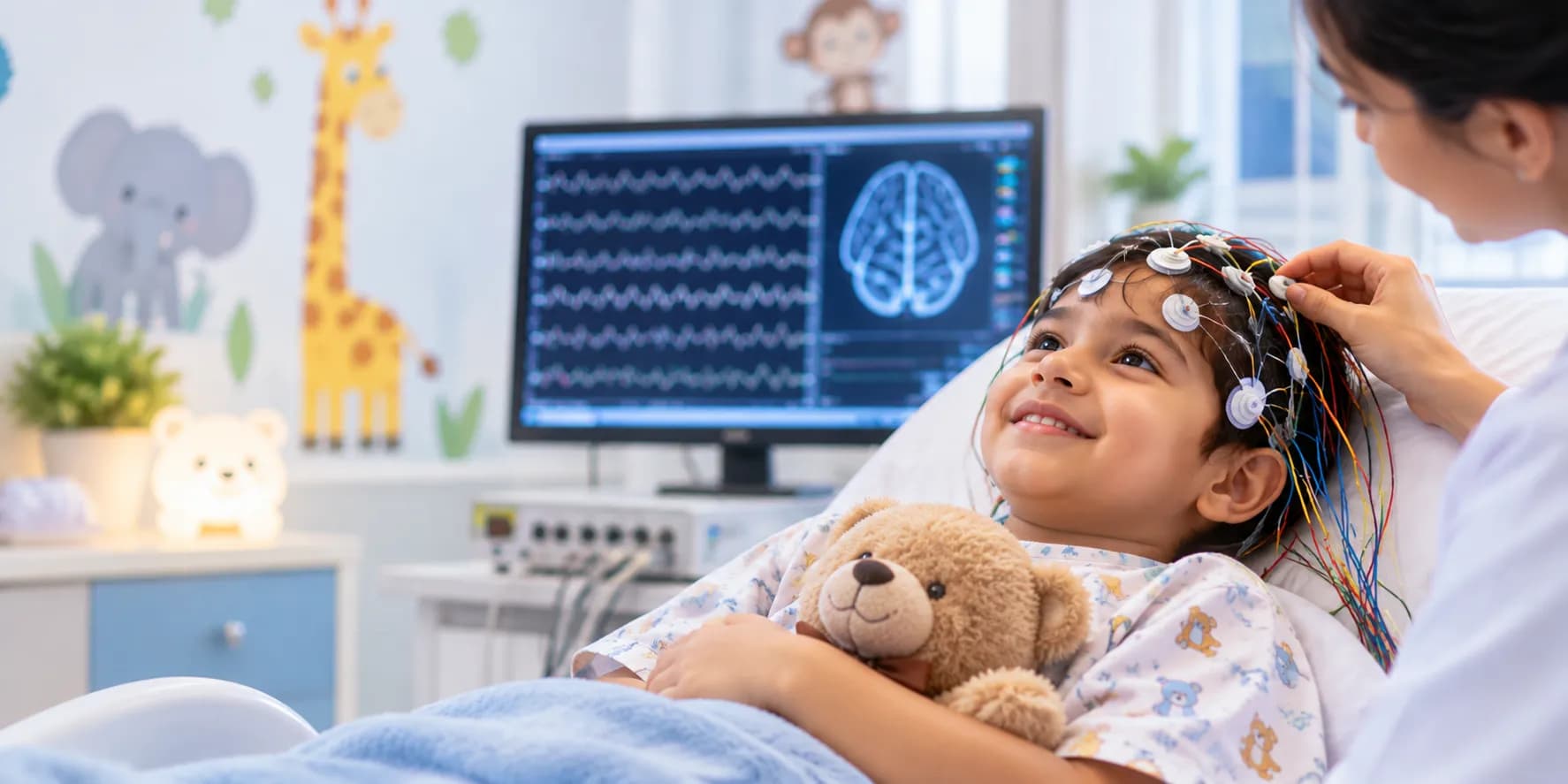
Calm, colourful spaces that make breathing tests and check-ups less stressful for children and parents.
From acute breathing emergencies to years of asthma follow-up, care continues without a gap.
Asthma and pulmonology care at Kalyan Nagar, RT Nagar, Malleswaram and New BEL Road.
“If you can't find the answer to your question here, please don't hesitate to contact our support team for assistance.”
Pediatric asthma is a chronic condition in which a child's airways become inflamed and narrowed, making breathing difficult. It's one of the most common chronic conditions in children, but with the right care, children can live completely normal, active lives.
Common signs include recurrent wheezing, frequent coughing (especially at night), breathlessness during play or exercise, and a chest that feels tight. These signs often worsen with colds, allergies or physical activity.
Asthma can be suspected at any age, but a confident diagnosis is often easier after age 5-6, when children can perform breathing tests. In younger children, doctors rely more on symptom patterns and response to treatment.
Asthma isn't typically "cured," but it is very manageable. Many children see their symptoms improve significantly or become less frequent as they grow older, especially with consistent long-term care.
Common triggers include dust, pollution, pollen, viral infections, cold air, exercise and strong smells. Identifying a child's specific triggers is a key part of long-term asthma control.