
RSV in Children: Symptoms, Risks, Prevention & What Parents Should Know
Respiratory Syncytial Virus (RSV) is one of the most common viral infections affecting infants and young children. While most cases are mild and resemble a common cold, RSV can sometimes lead to serious breathing problems, especially in babies. Understanding how RSV spreads, recognising early symptoms, and knowing when to seek medical care can help parents protect their child’s health and avoid complications.
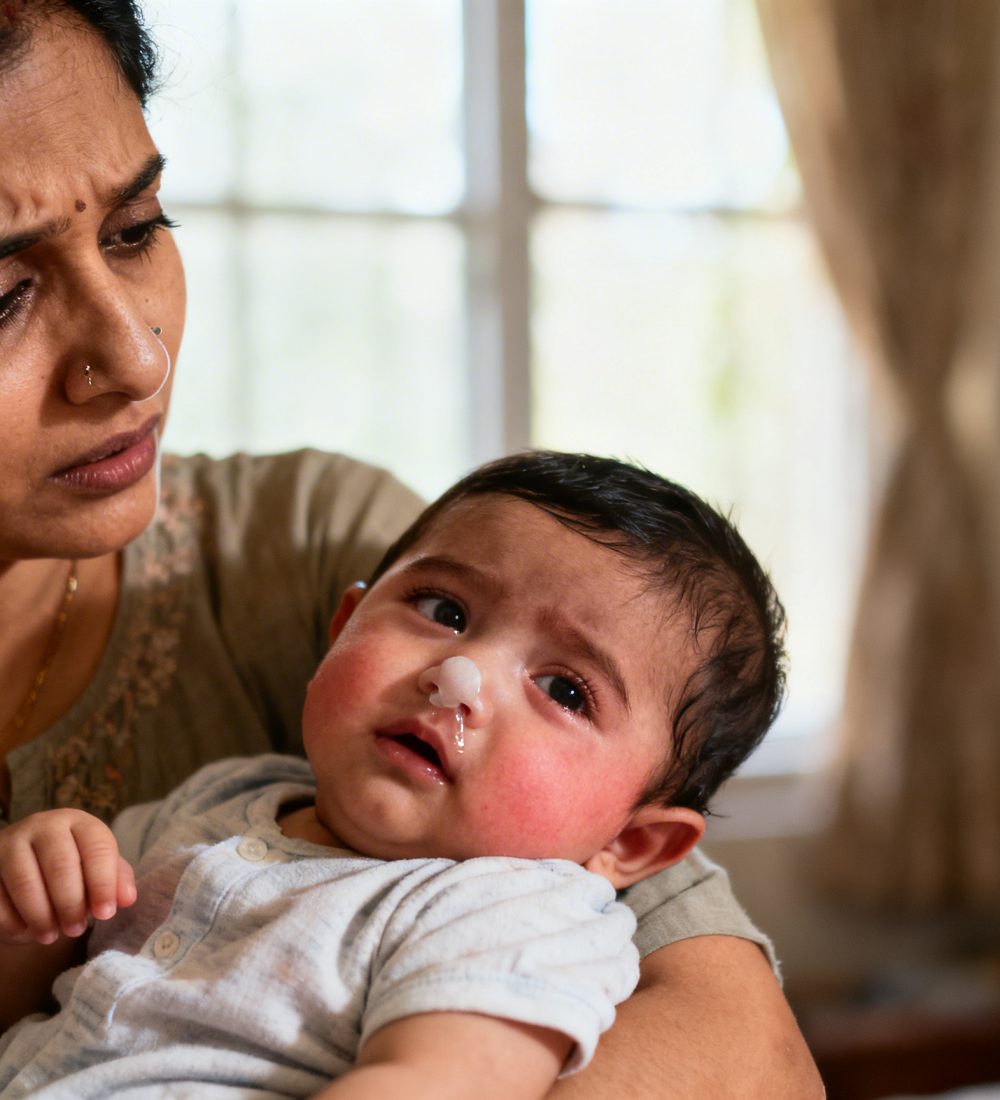
What is RSV?
RSV is:
- The most common cause of bronchiolitis and pneumonia in children under 1 year of age
- A major reason for hospitalization in infants during RSV season
- Typically seasonal (in many countries peaks during cooler months)
Most infections are mild, but some babies develop significant breathing difficulty.
How Does RSV Spread?
RSV spreads very easily:
- Through coughing and sneezing droplets
- By touching contaminated surfaces (toys, doorknobs, crib rails)
- By touching infected secretions and then touching eyes, nose, or mouth
The virus can survive on hard surfaces for many hours.
Which Children Are at Higher Risk?
Some children are more likely to develop severe RSV disease:
However, importantly: Even healthy babies can be hospitalized with RSV.
Symptoms of RSV
- Runny nose
- Cough
- Sneezing
- Fever
- Reduced feeding
- Wheezing
- Fast breathing
- Chest retractions (sucking in of chest while breathing)
- Nasal flaring
- Bluish lips or nails
- Gasping for breath
- Baby has breathing difficulty
- The baby refuses feeds
- A baby <2 months has a fever.
- Signs of dehydration (dry mouth, no tears, fewer wet diapers)
Prevention of RSV
- Wash hands frequently
- Avoid touching face
- Clean contaminated surfaces
- Avoid close contact with sick individuals
- Avoid tobacco smoke exposure
- Cover coughs and sneezes
- Avoid kissing infants
- Stay away from high-risk babies
RSV Prevention in High-Risk Babies
-Monoclonal Antibody Injections
- Palivizumab (Synagis) – Monthly injections during RSV season
- Nirsevimab (Beyfortus) – Single-dose injection during first RSV season
These help prevent severe RSV illness in high-risk infants.
-Maternal Vaccination During Pregnancy
- RSV vaccine (Abrysvo) given at 32–36 weeks of pregnancy
- Antibodies pass from mother to baby before birth
Treatment of RSV
There is no specific antiviral treatment for RSV in most children. Management is supportive:
- Gentle nasal suctioning
- Ensure adequate fluids
- Monitor breathing
- Oxygen support if required
Important:
- Cold medications are not effective in infants
- Avoid hot vaporizers (burn risk)
Key Takeaways for Parents
- RSV is very common in infants
- Most cases are mild
- Some babies can develop serious breathing problems
- Prevention strategies are important
- Ask your doctor about RSV preventive options