
Childhood Diabetes in Children
What is Diabetes in Children?
Childhood diabetes, also known as diabetes in children, is most commonly Type 1 Diabetes, though other forms such as Type 2 Diabetes in children (linked to excess weight and family history) and rare genetic or secondary diabetes can also occur.
Blood sugar, or glucose, is an important source of energy for the body. Normally, blood glucose levels are maintained between 70–180 mg/dl. In pediatric diabetes, blood sugar levels remain high due to a lack of insulin or poor insulin action, leading to various health complications if left untreated.
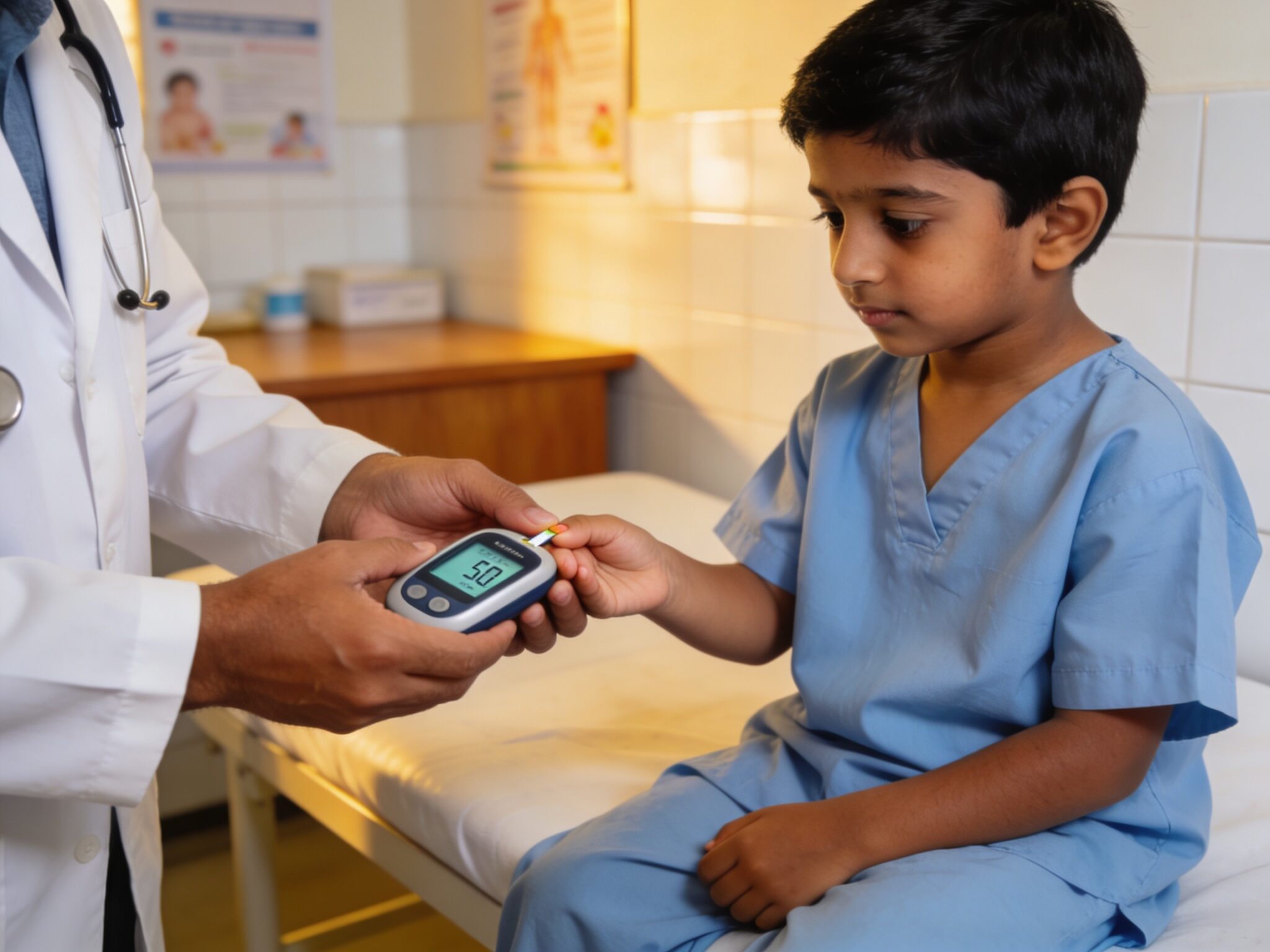

What are the Symptoms of Diabetes in Children?
Sustained high blood sugar levels cause glucose to spill into the urine. The common symptoms of childhood diabetes include:
- Frequent urination
- Increased thirst
- Weight loss despite increased hunger
- Tiredness and fatigue
Parents may notice their child asking for water frequently or waking up at night to urinate. Bed-wetting in a previously dry child is an important early sign of diabetes in children.
Due to lack of insulin secretion or poor insulin action, the body’s cells are unable to utilize glucose for energy. As a result, the liver produces alternative fuels called ketones by breaking down fat. In severe insulin deficiency, ketone levels can become dangerously high, making the blood acidic and leading to a serious condition called Diabetic Ketoacidosis (DKA), which requires urgent medical attention.
Warning Signs of Diabetic Ketoacidosis (DKA)
- Vomiting
- Stomach pain
- Fast or deep breathing
- Fruity-smelling breath
- Drowsiness
In some cases, DKA may be the first indication that a child has diabetes.
How is Diabetes Diagnosed in My Child?
Diagnosis of diabetes in children is made using simple blood tests that show high blood sugar levels and urine tests for sugar and ketones. Additional investigations help determine the type of diabetes, which is essential for appropriate treatment planning.
What is the Cause of Diabetes in My Child?
More than 95% of children with diabetes have Type 1 Diabetes, which occurs due to failure of insulin production in the pancreas caused by autoimmunity (a hyperactive immune system).
Type 1 Diabetes:
- Is not caused by eating excess sweets
- Is not contagious
- May occur without any family history
Type 2 Diabetes in children results from poor insulin action. It is commonly associated with excess weight gain and usually has a positive family history of diabetes.


What is the Treatment for Childhood Diabetes?
Type 1 Diabetes treatment in children requires lifelong insulin therapy, either through daily injections or an insulin pump, as the pancreas cannot produce insulin.
Children and their families receive Diabetes Self-Management Education (DSME), which includes:
- Healthy food and nutrition planning
- Insulin therapy guidance
- Blood glucose monitoring
- Managing daily life with diabetes
Type 2 Diabetes in children may be managed with healthy eating, regular physical activity, weight management, and medications or insulin when required.
All children with diabetes need regular blood sugar monitoring and ongoing education to ensure safe and effective daily care.
With early diagnosis, appropriate treatment, and DSME, children with diabetes can grow normally and live active, healthy lives. Our pediatric endocrinology team has the expertise and support systems to care for your child and guide your family confidently through this journey.
Frequently Asked Questions (FAQs)
What is the most common type of diabetes in children?
What are the early signs of diabetes in children?
Can diabetes in children be cured?
What is Diabetic Ketoacidosis (DKA)?
Can children with diabetes live a normal life?
How to control diabetes in kids?
Is my child pre-diabetic?
What foods should diabetics avoid?
Does my child have diabetes?
Diabetes in toddlers – what are the warning signs?
Worried about your child’s blood sugar levels?
Early evaluation and expert guidance can make a lifelong difference. Our pediatric team provides comprehensive care for childhood diabetes, from diagnosis to long-term management. Book a Pediatric Diabetes Consultation
Book Appointment NowContact us