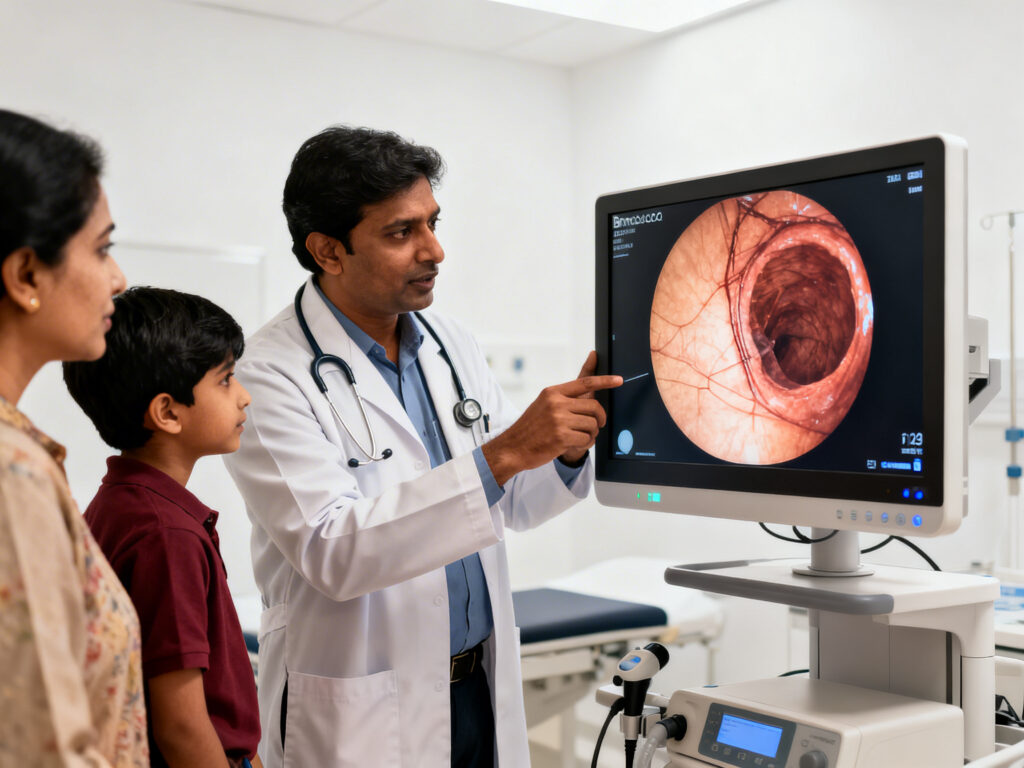
Flexible Bronchoscopy: What Patients and Parents Should Know

Breathing problems in children are one of the most common reasons parents visit a pediatrician or emergency department. While many breathing difficulties are mild and caused by viral infections like the common cold, some can signal serious medical conditions that require immediate care. Understanding the early signs of breathing difficulty in children, recognizing emergency symptoms, and knowing when to seek medical help can protect your child’s health and even save lives.
At Shishuka Children’s Hospital, Bangalore, our pediatric specialists regularly evaluate and treat breathing problems in infants, children, and adolescents.
Children are more vulnerable to breathing issues because their airways are smaller and more sensitive than adults. Even mild inflammation or mucus can make breathing difficult.
Common causes of breathing problems in children include:
Most breathing problems improve with proper care, but some conditions can worsen rapidly—especially in infants and young children.
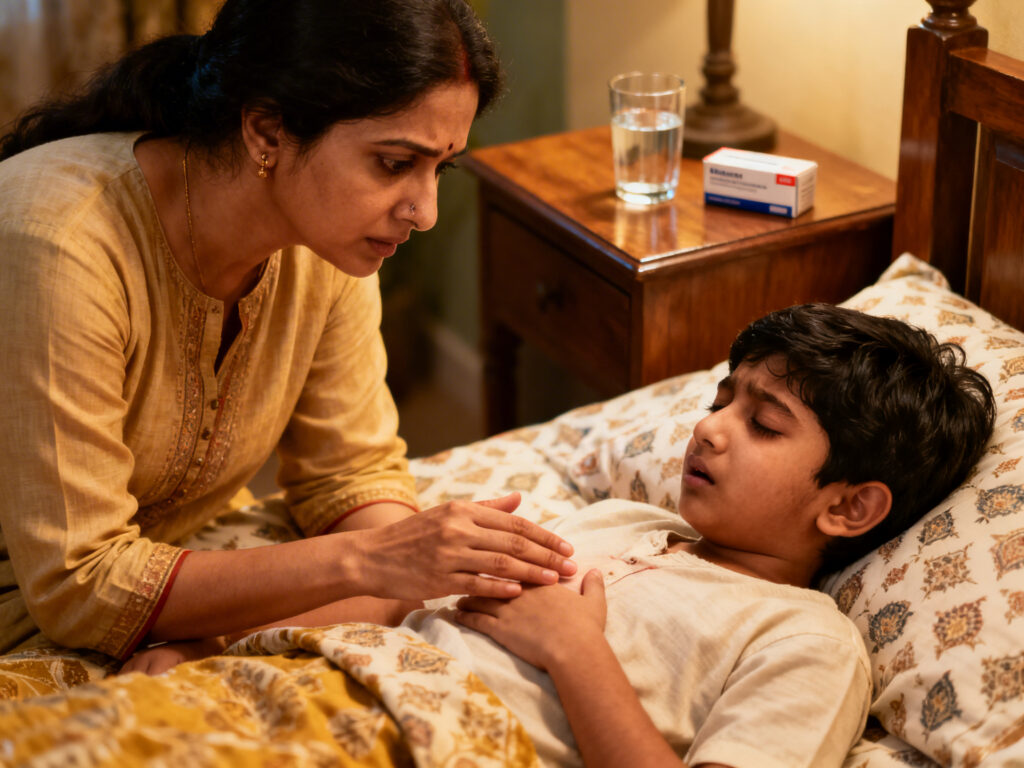
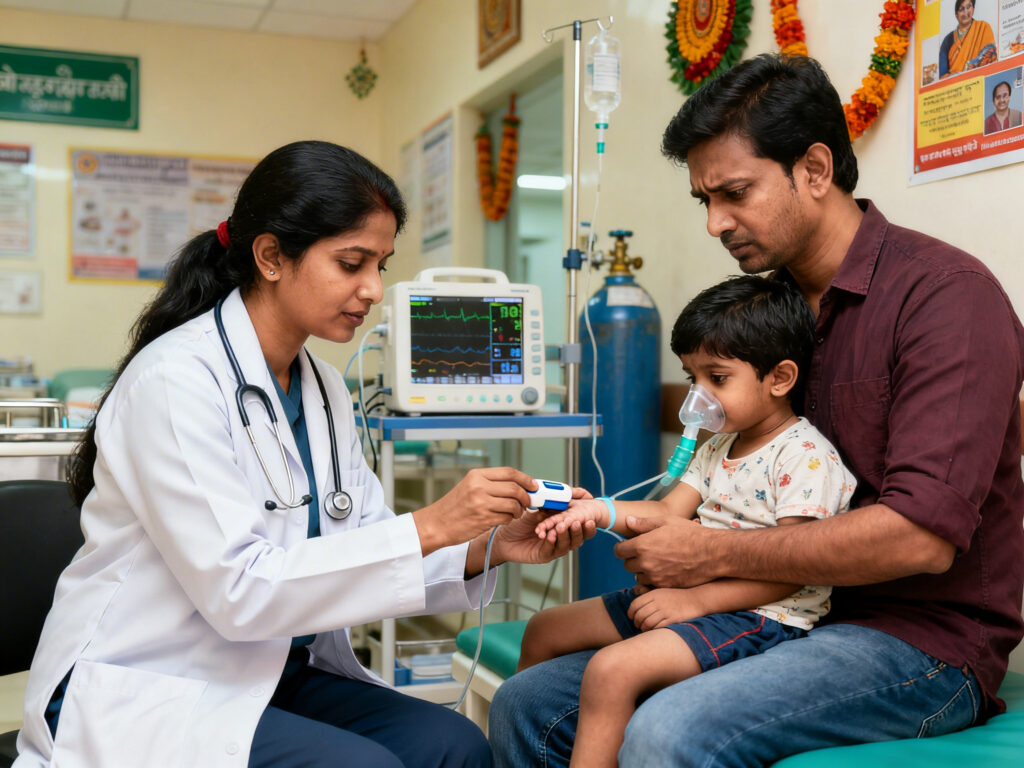
Recognizing early symptoms can help parents seek medical advice before the condition worsens.
Common early signs of breathing difficulty in children include:
Many viral illnesses cause these symptoms and may resolve on their own, but monitoring your child closely is important.
Some breathing symptoms indicate a medical emergency and require immediate attention.
Seek urgent medical care if your child has:
These symptoms may indicate serious conditions such as:
Immediate medical care is critical in these situations.

Understanding breathing sounds can help parents identify potential respiratory issues early.
A whistling sound during breathing out. Often seen in: Asthma, Viral infections, Allergic reactions.
A high-pitched harsh sound while breathing in. This may indicate narrowing of the upper airway and needs urgent medical evaluation.
Breathing faster than normal for age may suggest: Lung infection, Fever, Respiratory distress.
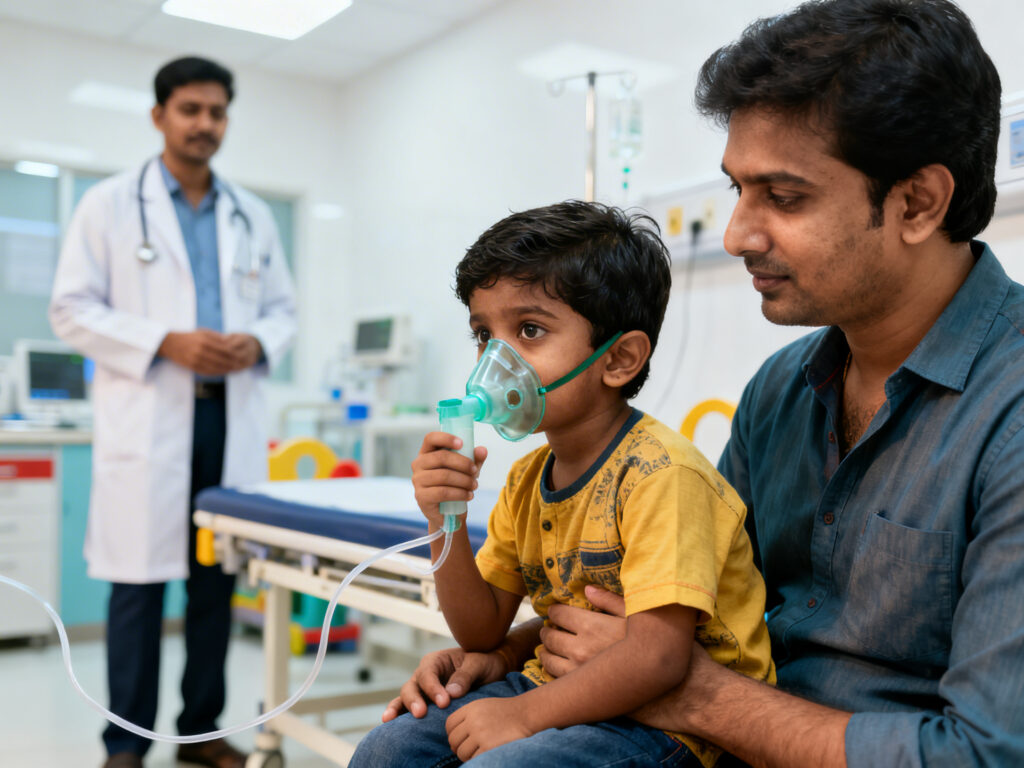
Parents should consult a doctor if breathing symptoms persist or recur.
Visit a pediatrician for breathing problems in children if:
Infants under 1 year of age should be evaluated early, as their condition can worsen quickly.
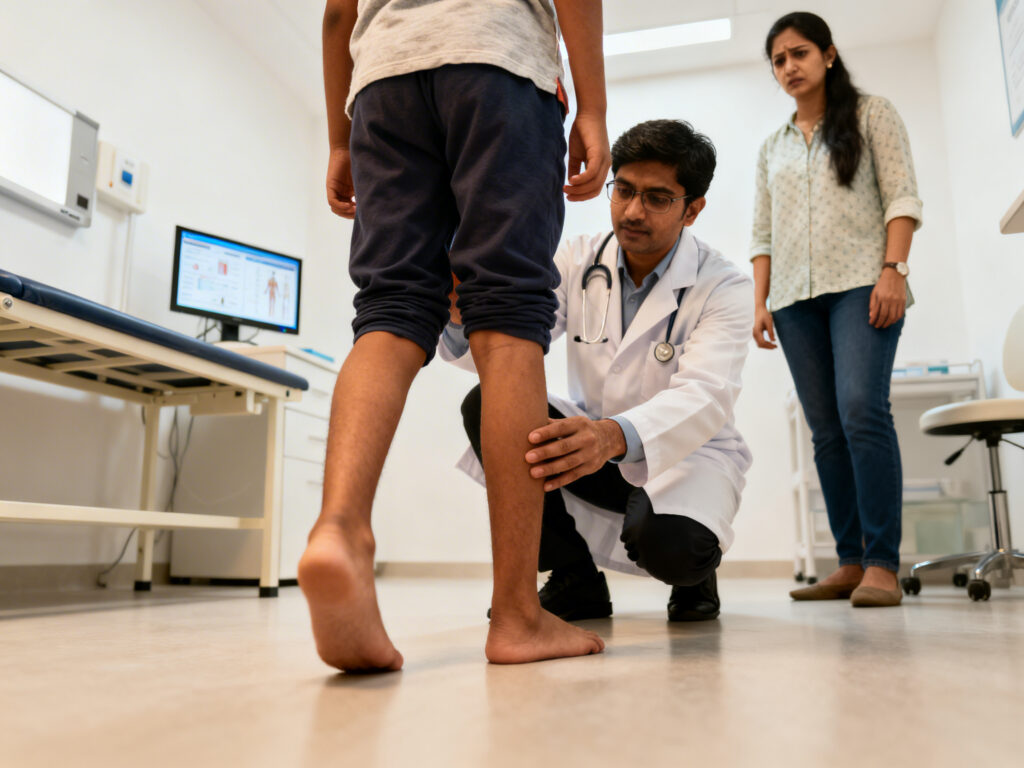
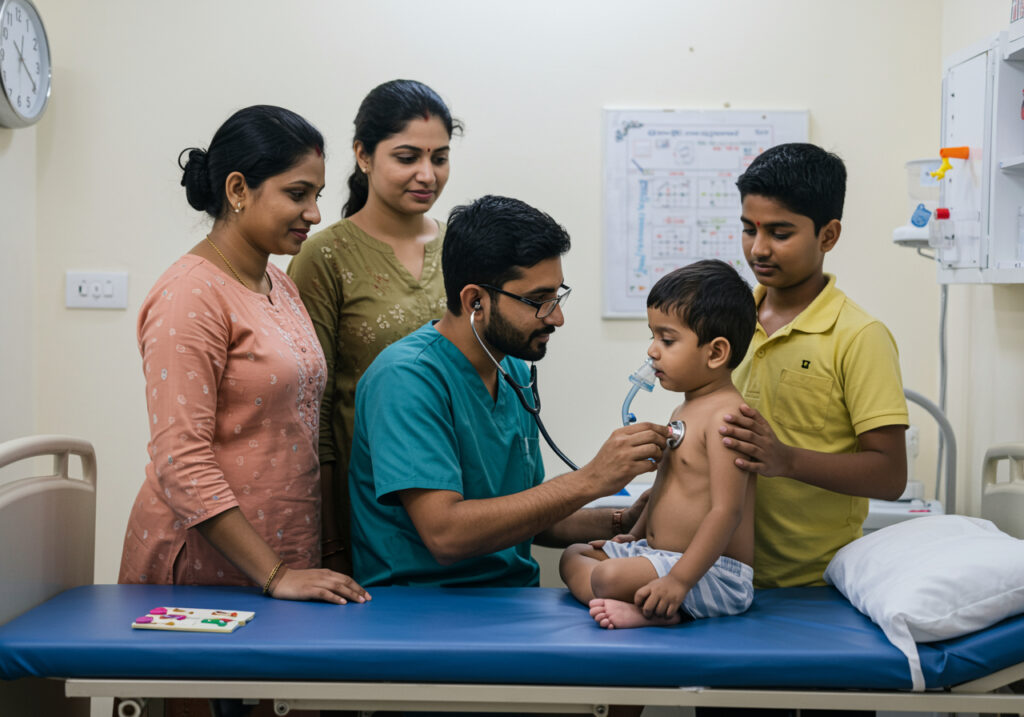
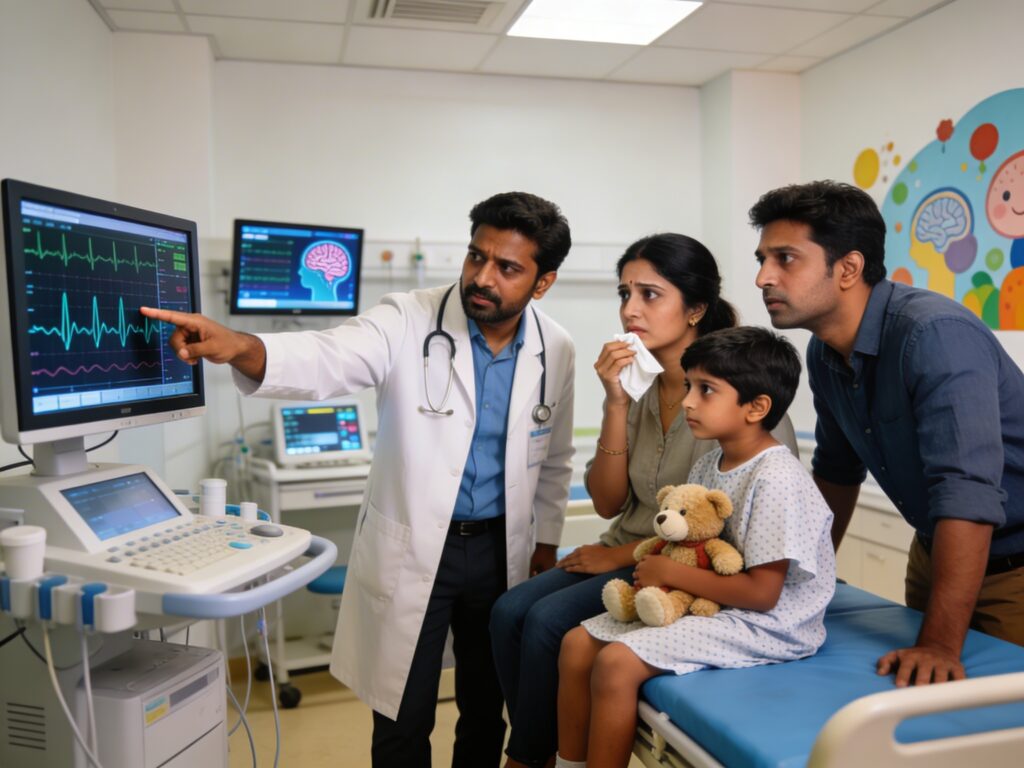
At Shishuka Children’s Hospital, pediatricians evaluate breathing problems through careful examination and assessment.
Doctors may:
Early diagnosis helps prevent complications and ensures appropriate treatment.
If symptoms are mild and there are no emergency warning signs, parents can support recovery at home by:
However, never ignore worsening breathing problems or rely only on home remedies when warning signs appear.


Breathing problems in children can range from mild infections to life-threatening emergencies. Trust your instincts—if your child’s breathing does not look normal, seek medical care.
Early medical evaluation can prevent complications and ensure timely treatment.
If your child is experiencing breathing difficulty, wheezing, or persistent cough, consult the pediatric experts at Shishuka Children’s Hospital, Bangalore.
Our experienced pediatric specialists provide advanced diagnosis and treatment for respiratory conditions in children, including asthma, infections, and breathing disorders.
Book a consultation today and ensure your child breathes easy and stays healthy.
Breathing problems in children are commonly caused by viral infections, asthma, allergies, pneumonia, or airway obstruction. Environmental factors such as smoke and pollution can also trigger breathing difficulties.
Seek immediate medical attention if your child has fast breathing, chest retractions, bluish lips, severe wheezing, or difficulty speaking or feeding due to breathlessness.
No. Wheezing can occur due to viral infections, allergies, or airway irritation. However, repeated wheezing episodes may indicate childhood asthma and should be evaluated by a pediatrician.
Yes. Most breathing problems in children can be effectively treated with medications, inhalers, nebulization, and supportive care when diagnosed early.
Take your child to the hospital immediately if they have severe breathing difficulty, blue lips, chest retractions, persistent wheezing, or sudden choking.