
Pneumonia in Newborns: Early Signs Parents Must Watch
Pneumonia in newborns is a serious lung infection that can affect babies in the first days or weeks of life. While pneumonia can occur at any age, newborn babies are especially vulnerable because their immune systems are still developing and their lungs are small. Even common viral or bacterial infections can progress rapidly and become life-threatening if not recognised early and treated promptly.
Early awareness of newborn pneumonia symptoms can help parents seek timely care and prevent serious complications.
What Is Pneumonia in Newborns?
Pneumonia in newborn babies refers to infection and inflammation of the lungs, particularly the tiny air sacs called alveoli, where oxygen enters the blood. It may be caused by bacteria, viruses, or—rarely—fungi.
Newborns can acquire pneumonia:
- During birth from the birth canal
- From the environment after delivery
- Through close contact with infected caregivers or family members
Unlike older children, the signs of pneumonia in newborns can be subtle, making close observation during the first few weeks of life extremely important, as illness can worsen quickly.
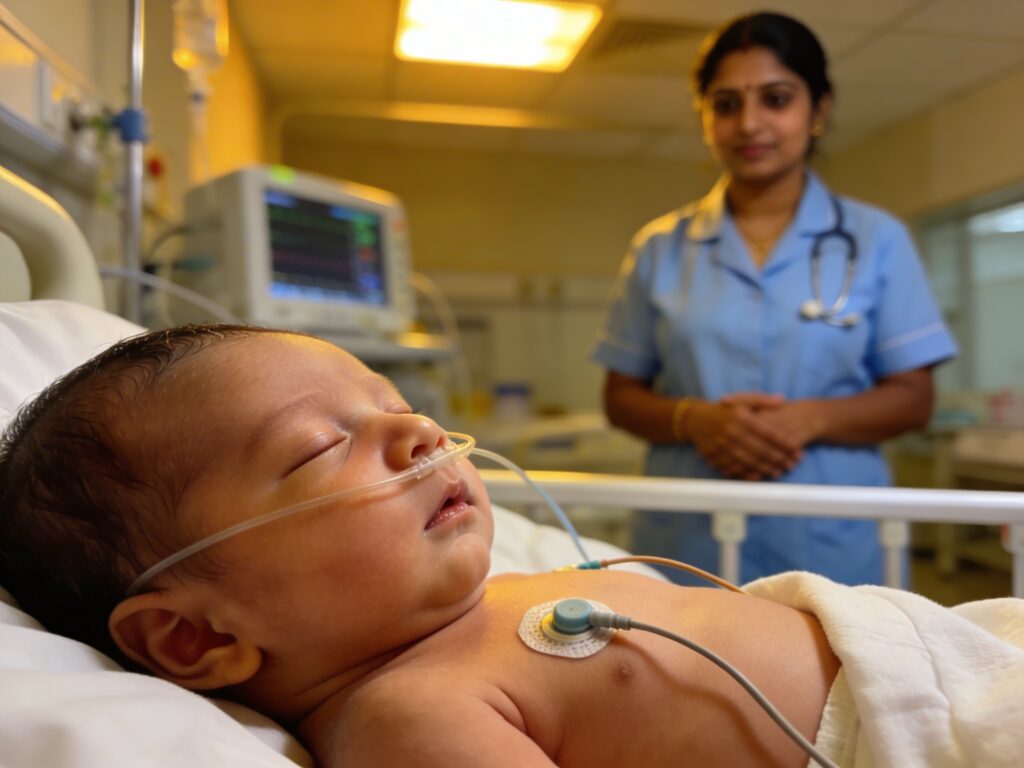
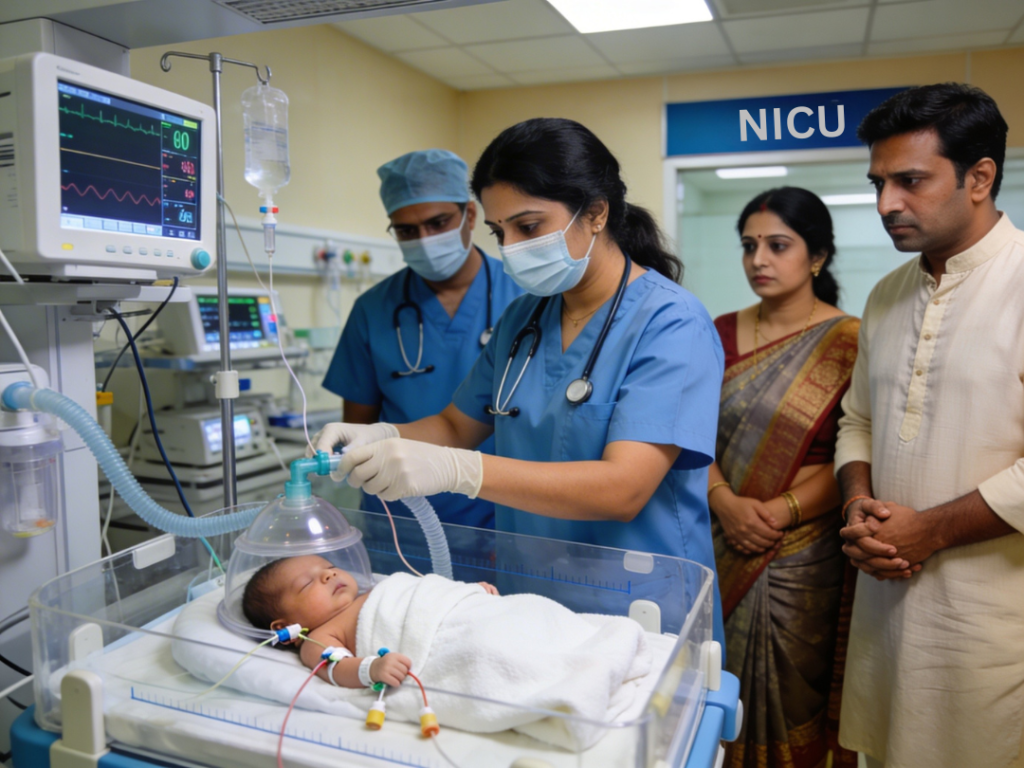
Why Early Detection of Pneumonia in Newborns Matters
Newborns have immature immune systems and may not show obvious symptoms even when seriously ill. Neonatal pneumonia can progress rapidly and lead to complications such as:
- Low oxygen levels
- Sepsis
- Respiratory failure
Early diagnosis and prompt medical treatment significantly improve outcomes, reduce complications, and shorten hospital stays.
Early Signs of Pneumonia in Newborns Parents Must Watch For
Because babies cannot communicate discomfort, parents should watch for changes in breathing, feeding, activity, and skin colour.
When to Seek Immediate Medical Help
Seek urgent medical care or go to the hospital immediately if your newborn shows:
-
Bluish lips or skin
-
Severe breathing difficulty (grunting, chest retractions)
-
Refusal to feed or not waking for feeds
-
Very high fever or abnormally low body temperature
-
Extreme weakness or poor responsiveness
These may indicate severe pneumonia in newborns or related complications requiring urgent treatment.
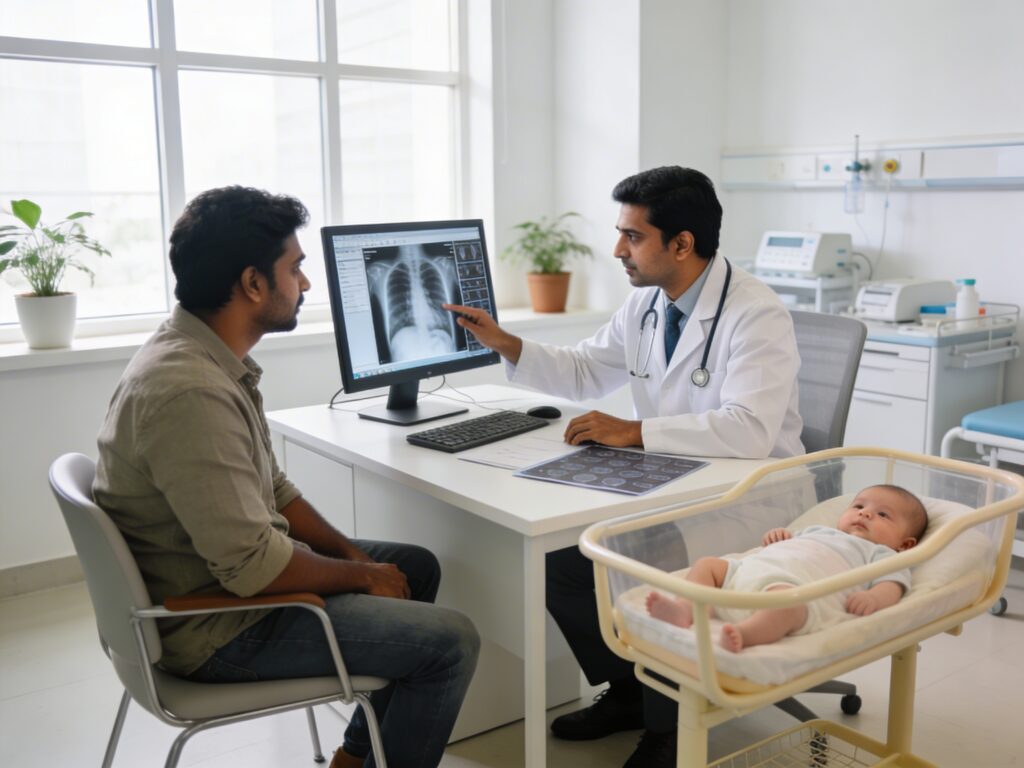
What Happens Next at the Shishuka Childrens Hospital?
At Shishuka Children’s Hospital, babies with suspected newborn pneumonia are carefully evaluated through:
-
Detailed clinical examination
-
Chest assessment and possibly X-rays
-
Blood tests and oxygen saturation monitoring
-
Prompt treatment, which may include antibiotics, oxygen support, and feeding assistance
Early treatment greatly reduces complications and improves recovery.
Tips for Preventing Pneumonia in Newborns
While not all cases can be prevented, parents can lower the risk of pneumonia in babies by:
Final Thoughts
Pneumonia in newborns can be subtle but dangerous. Careful observation, prompt action, and timely medical care are crucial. If you notice any early signs of pneumonia in your baby, do not delay — early intervention can be life-saving.
Frequently Asked Questions (FAQs)
Early signs of pneumonia in newborns include fast or laboured breathing, grunting sounds, nasal flaring, poor feeding, unusual sleepiness, fever or low body temperature, and bluish discoloration of lips or skin. These symptoms require prompt medical evaluation.
Pneumonia in newborns can be serious because their immune systems are immature. If not treated early, it may lead to complications such as low oxygen levels, sepsis, or respiratory failure. Early diagnosis and treatment significantly improve outcomes.
Yes. With early medical care, most newborns with pneumonia recover well. Treatment may include antibiotics, oxygen support, and careful monitoring in the hospital, depending on the severity and cause of infection.
Pneumonia in infants can be caused by bacteria, viruses, or rarely fungi. Infections may be acquired during birth, from the environment after delivery, or through close contact with sick caregivers or family members.
Doctors diagnose pneumonia in newborns through clinical examination, monitoring breathing and oxygen levels, blood tests, and sometimes chest X-rays. Early diagnosis helps start treatment quickly and prevents complications.
Not all cases can be prevented, but the risk can be reduced by practising good hygiene, limiting exposure to sick individuals, supporting breastfeeding, and following recommended vaccination schedules for caregivers and infants.
You should seek immediate medical care if your newborn has difficulty breathing, stops feeding, shows bluish lips or skin, has a high or low body temperature, or appears unusually sleepy or weak. These may indicate a serious infection such as pneumonia.
Some causes of pneumonia, especially viral infections, can be contagious. Newborns can catch infections from close contacts, which is why limiting exposure to sick individuals is important.
With treatment, most types of bacterial pneumonia are cured in 1–2 weeks. Walking pneumonia and viral pneumonia may take 4–6 weeks to go away completely.